
Straight to the Point…
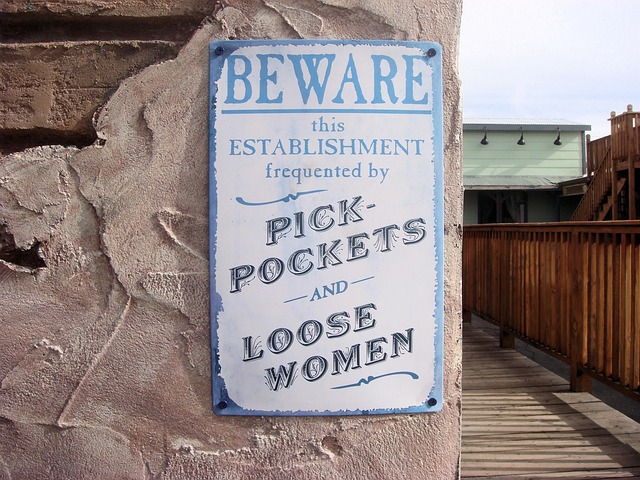
Pickpockets and scammers are a real threat in many of the world’s most popular tourist destinations. But here’s the good news: with a little awareness and the right gear, you can make yourself a very unattractive target. This guide covers everything from high risk areas, to RFID wallets (do you actually need one?), to the sneakiest tricks thieves use, and exactly what to do if the worst happens.
Now on the information you need…
Know Where the Risks Are Highest
Not every destination carries the same risk, but certain environments are universally beloved by pickpockets, and it has nothing to do with the city being “dangerous.” It’s about crowds, distraction, and opportunity. Don’t let the internet hype frighten you, but do be aware of the risks. These crowded places are the favorites of pickpockets the world over:
Metro and subway systems. These are the single biggest hotspots worldwide. The moment those doors close and you’re pressed against strangers, a skilled pickpocket can have your wallet out in an instant. Cities like Paris, Barcelona, Rome, Prague, and Lisbon are notorious for subway theft targeting tourists.
Train stations. Especially at arrival and departure points, train stations are prime territory. You’re juggling luggage, reading departure boards, checking the time, and mentally elsewhere, especially in a new city that you have not previously navigated. That’s exactly the distraction a thief needs.
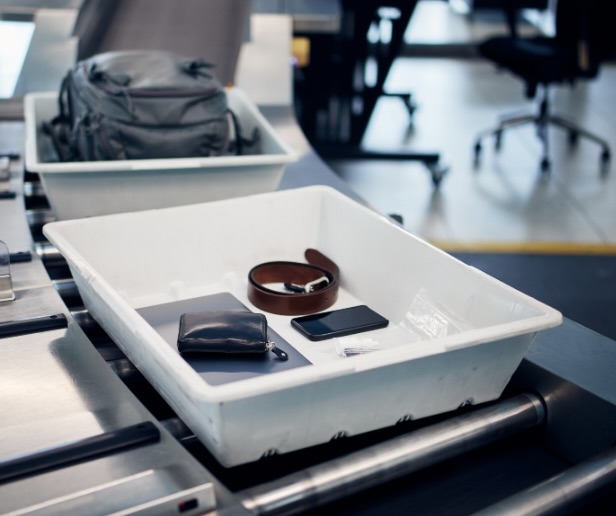
Airports. Baggage claim and security checkpoints can be targets. At security, you’re distracted loading and unloading bins, and your belongings are briefly out of your hands and your sight. Most travelers are busy getting through security like you are, but there always opportunists who look for well…opportunity. Never place your phone, watch, wallet, or passport directly into the security screening bin. Always put valuables inside a bag and zip it closed before sending it through the scanner so they are not easy to grab.
Tourist attractions. These are always high-risk because the crowds are dense and everyone is looking “up” — at the Eiffel Tower, the Colosseum, the Sagrada Família — rather than around them. We’ve heard accounts from travelers who were pickpocketed this way.
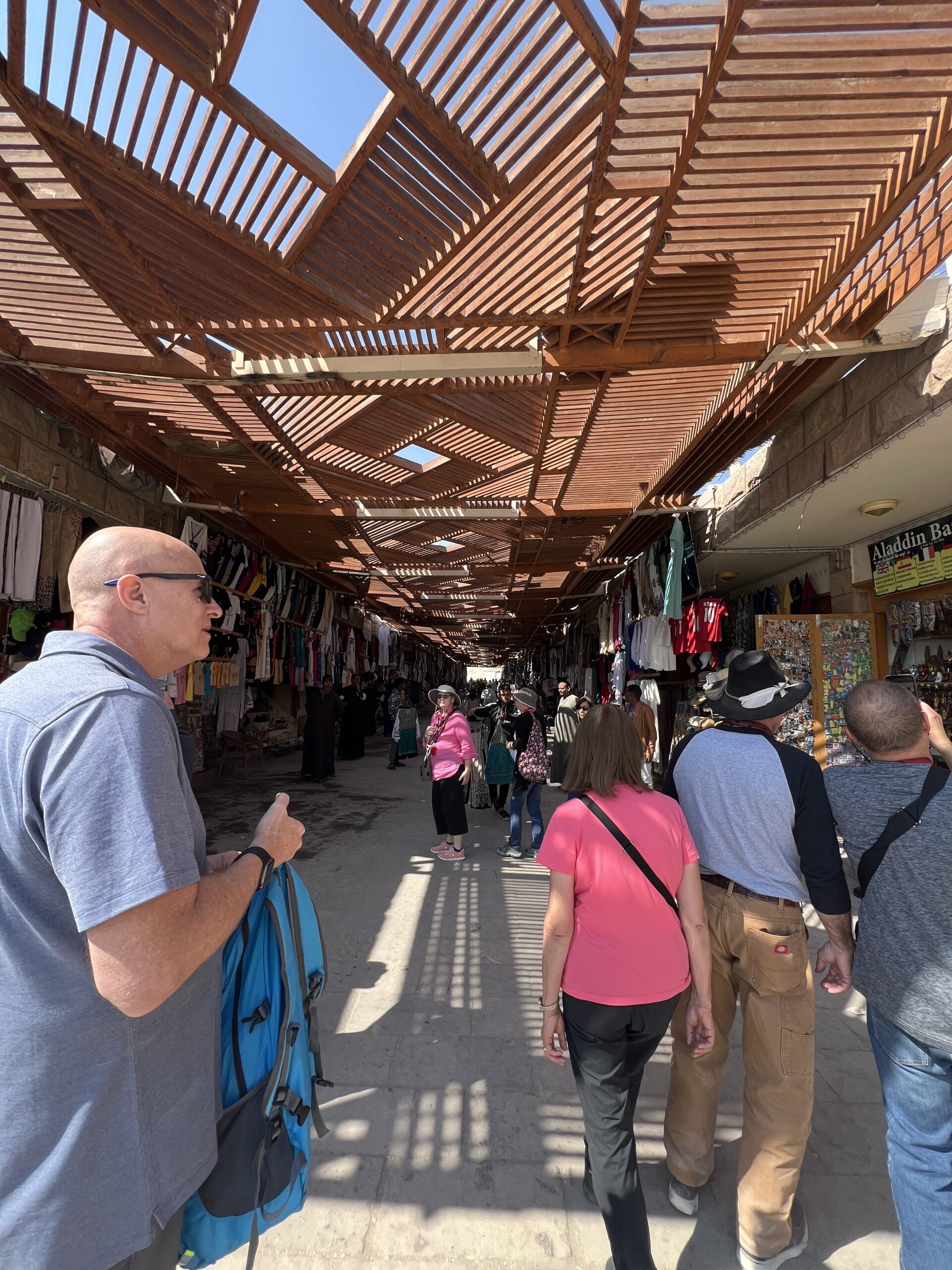
Outdoor markets and festivals. With large crowds of tightly packed people, they provide exactly the kind of chaos that pickpockets love.

The Tricks They Use (Yes, Really)
Knowing their playbook is half the battle. Pickpockets tend to work in teams and use a few reliable methods to get what they want.
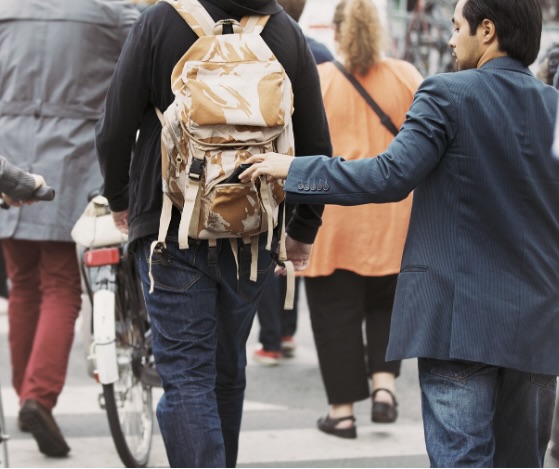
The Bump-and-Grab. One person bumps into you, and maybe “accidentally” spills something on you, while an accomplice lifts your wallet or phone during the commotion. A variation of this is someone “helping” you clean off the mess while the second person works your bag or pocket.
The Jacket-Over-Arm Trick. A thief drapes a jacket or newspaper over their arm, covering their hand, and reaches into your bag or pocket while standing next to you. This happens in crowded places.
The Map or Petition Distraction. Someone approaches you with a map asking for directions, or a clipboard with a petition to sign. While you’re busy trying to “help” them with directions, or you’re focused on the paper being pushed in front of you, their other hand, or a nearby accomplice, is in your bag. Be especially aware of two or three women who are dressed like tourists, wearing cross body bags and carrying a water bottle (like many Americans tend to do), and often with a jacket draped over an arm. Thieves have learned how to blend in to make you feel comfortable. It won’t be a shady looking guy in a hoodie who pickpockets you. They are basically professionals and this is how they make their living.
The Helpful Stranger on the Metro. Someone on a packed subway “helpfully” points out that your bag is open, or that there’s something on your jacket, or that you dropped something. They created the problem for you to solve, and their partner already has your wallet.

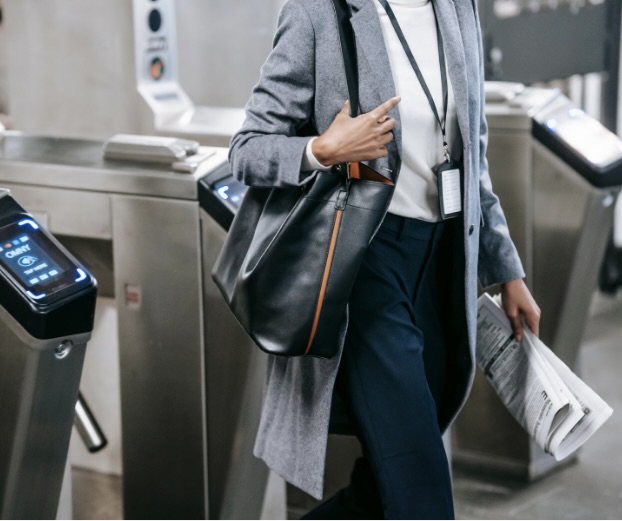
The Turnstile Squeeze. At a metro turnstile, someone follows you through very closely, and lifts your phone from your pocket or bag as you pass through. Always be aware of someone who seems to close.
The Rose or Bracelet Handoff. Someone places a flower in your hand, ties a bracelet on your wrist, or hands you a small trinket. The moment you accept it, they demand payment, sometimes aggressively, and you feel threatened enough to pay them. Alternatively, their partner uses the distraction to rifle through your bag. Don’t ever accept anything placed in your hand by a stranger, keep your hands on your bags, and if you are approached in this manner, be very loud and firm with your “NO.”
The Fake Official. A person right outside a major attraction in what appears to be a uniform or security vest asks to inspect your bag. Legitimate officials don’t do this on the street, but they will often do this inside as you are entering the building through the queue. Don’t ever hand anything over to someone outside a major attraction.
The ATM Pal. Someone stands nearby while you’re at an ATM, watching your PIN or offering “help” with the machine. Always cover your PIN. When possible, go with another person to the ATM. (We cover ATM safety in detail in our Complete Money Guide.)


Smart Habits That Make You a Difficult Target for Thieves
Your behavior is the biggest factor in whether a pickpocket chooses you. Yes, they choose their targets very carefully. They know what to look for and when you are most vulnerable.
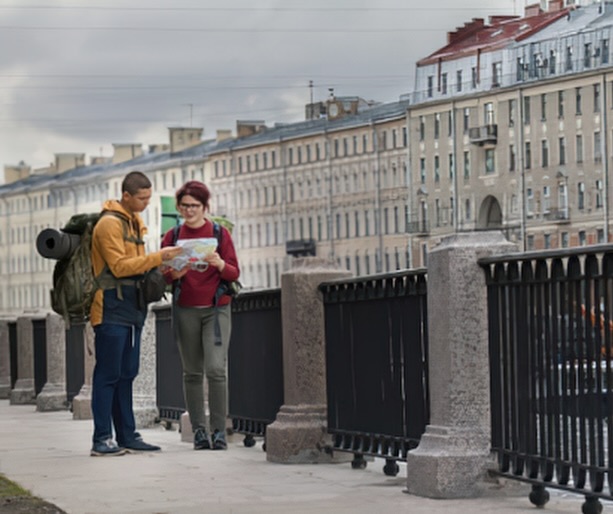
Look like you know where you’re going, even when you don’t. Tourists who stop in the middle of a busy sidewalk, look confused, or openly consult their phone or a map or brochure, are broadcasting that they’re distracted and unfamiliar with their surroundings. Step to the side, duck into a doorway or a shop, look at your phone or map, and then keep moving with confidence. If you’re with a partner, it’s best to have one of you keep an eye out while the other reads the map or checks the directions.
Keep your phone in your front pocket or bag, not in your back pocket, and never setting on the table or counter. Better yet, use a tether AND keep it inside your pocket or bag.
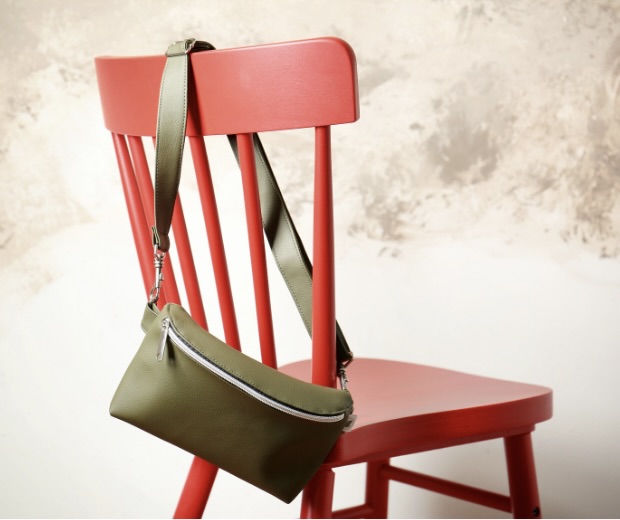
Avoid hanging your bag on the back of a restaurant chair. Either loop the strap around your chair leg and your foot, or keep it in your lap. Better yet, loop it around your arm before placing it in your lap.
Be especially alert on the first and last day of transit. You’re most vulnerable when you’re tired, jet-lagged, loaded with luggage, and navigating an unfamiliar station. Slow down and stay aware.
Travel with your hand on your bag on public transport. Don’t put your bag on the seat next to you, or on the floor between your feet, where it’s easily grabbed or kicked away. Keep it on your person at all times, and keep zippers zipped. When traveling with luggage on public transport, keep it locked and keep it with you, rather than in the luggage hold area or in the overhead rack, unless it’s a longer train journey with more security. If you must place it in the luggage hold area, try to get a seat next to it, and keep it in sight at all times.
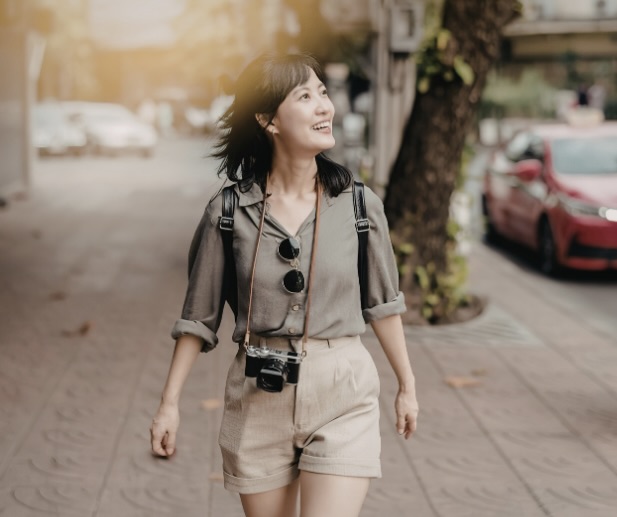
Don’t flash expensive gear. Wearing a camera around your neck in a crowded market makes you a more attractive target. Tuck away what you’re not actively using.
Keep jewelry to a minimum. People all over the world wear wedding rings and jewelry, and I always wear my wedding rings when we travel. I personally don’t see the need to wear a fake or knock-off wedding ring when I travel, but I would not take loads of expensive jewelry that I could not live without.
Trust your gut. If someone is standing unusually close to you, if you’re being crowded at a ticket machine, or if an interaction feels off, it probably is. Step away, move on, and don’t worry about being rude.
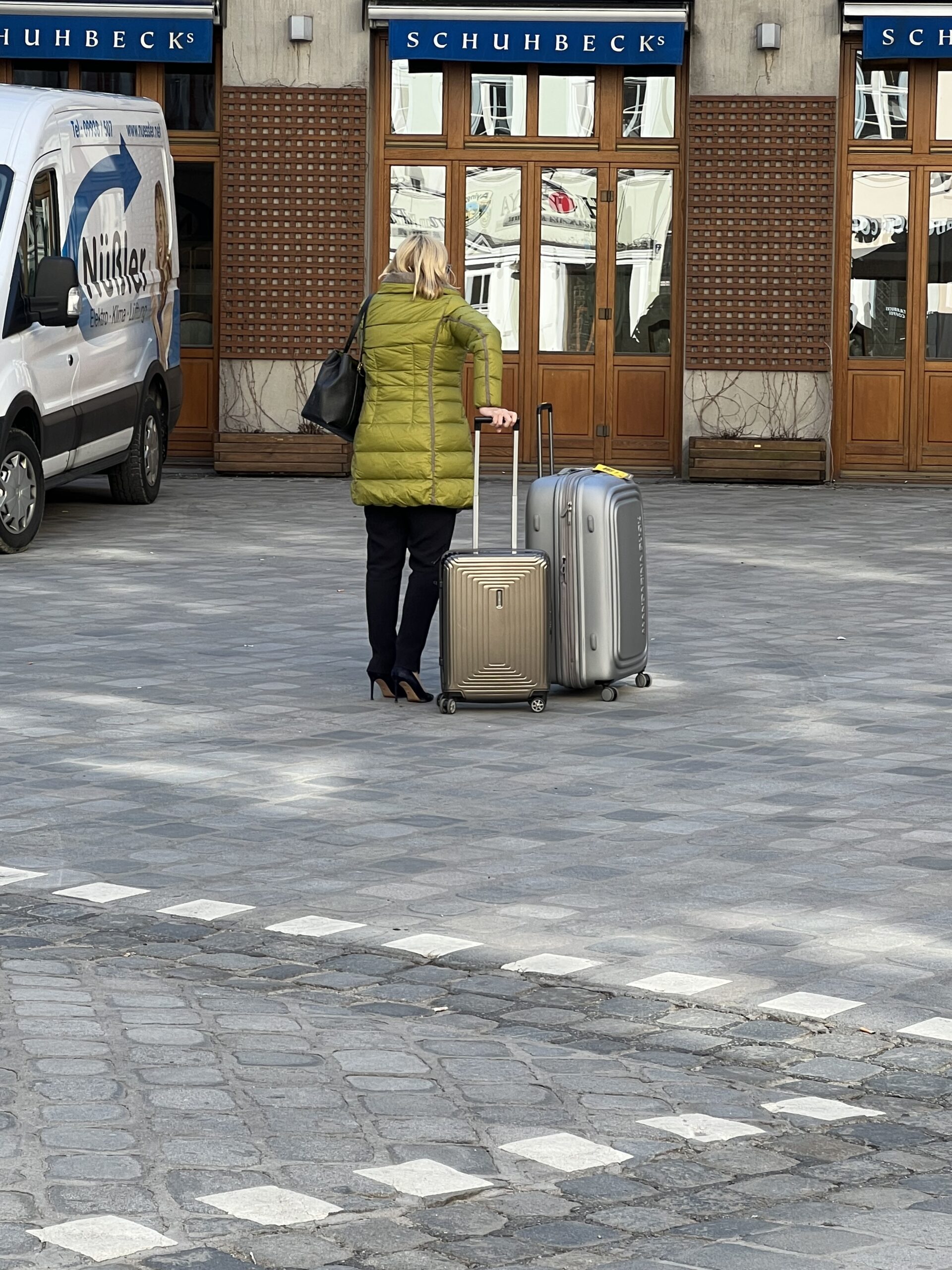
The Right Bag Can Make a Difference
Never use a backpack as your primary daytime bag in crowded areas. You cannot see or feel what’s happening behind you. If you love a backpack, wear it on your front in crowded spaces, or consider it a secondary bag for day hikes away from city crowds. We’ve seen people on busy metros completely unaware that their backpack zipper was open. At the risk of looking like a common pickpocket, I always try to tell them. We do often carry a lightweight nylon backpack when sightseeing, but we don’t keep anything valuable in it. We use it for our jackets, hats, water bottles, sunscreen, etc., all things we can easily replace.
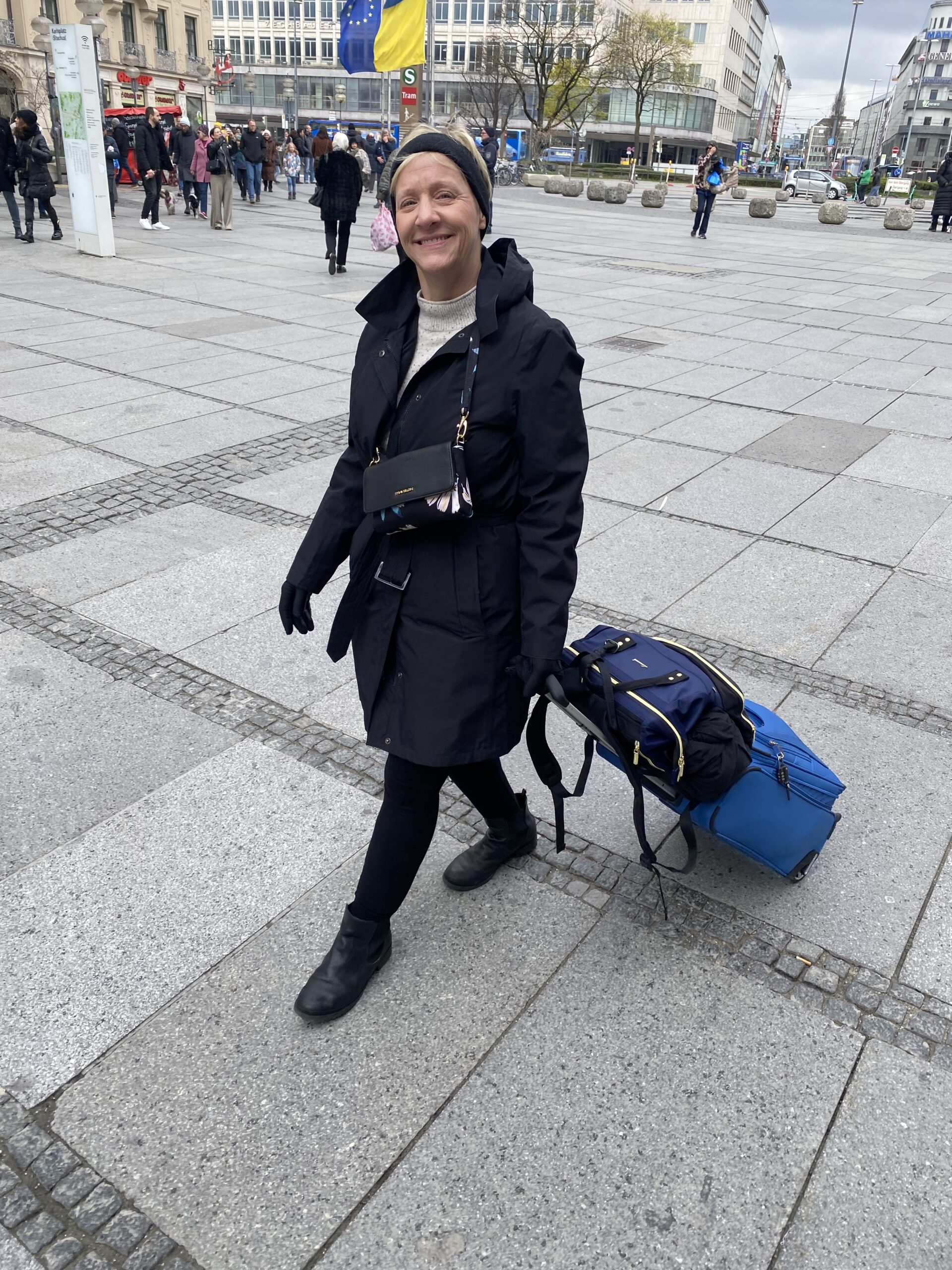
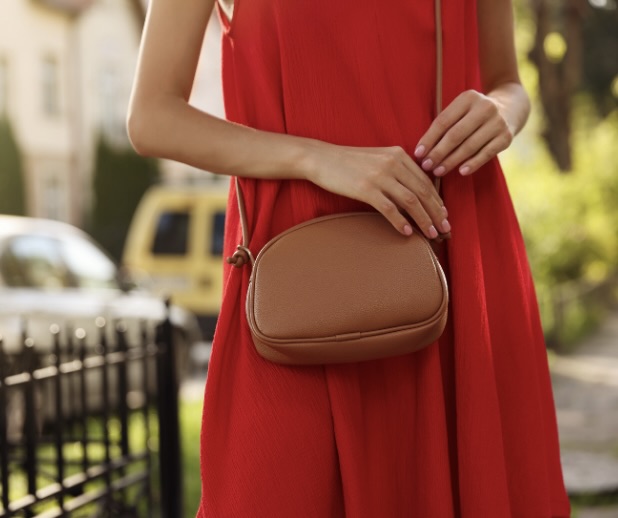
Use a crossbody bag or a bum bag/waist pack (a fanny is a completely different thing in Europe!) that sits in front of your body. A bag worn across the chest that rests in front of you, where you can see and hold it, is a must for city travel. Also, try to keep one hand on your bag at all times.
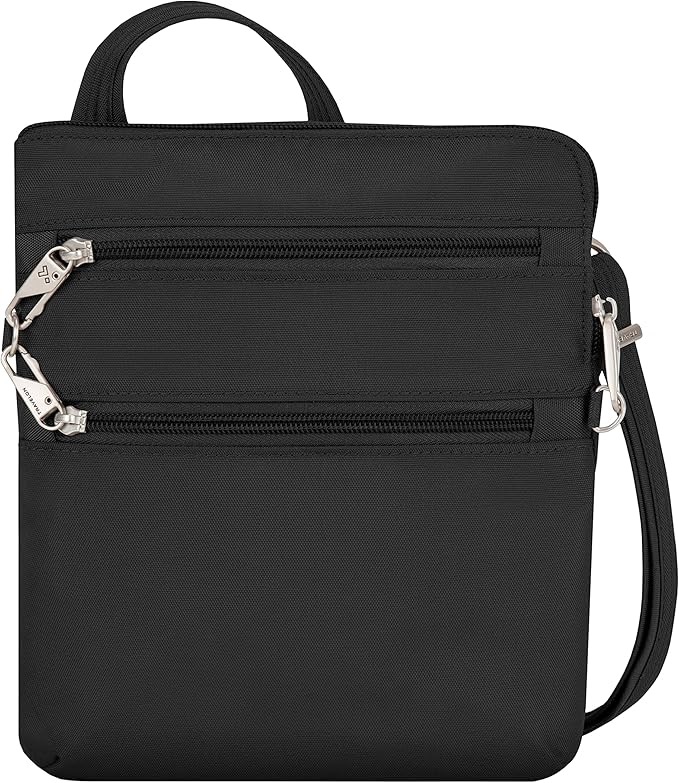
Slash-resistant bags are likely worth the investment, but not completely necessary if you use common sense and stay aware. Brands like Travelon, Pacsafe, and Eagle Creek make bags with slash resistant wire mesh woven into the straps and panels. These bags also may provide RFID protection (more on that below). A thief who can’t slash the bottom of the bag, or slash the strap and grab the whole bag, will move on to an easier target. I love my Travelon crossbody bag and have carried it for years on city trips. No, they are not the most stylish bags, but I do feel a bit safer by carrying it. It’s small, black, and is as unobtrusive as possible.
Keep your day bag minimal. Take only what you need for that day, and don’t carry more cash than you plan to spend.
A money belt worn under your clothing is a great option, and an excellent choice for keeping your passport and emergency cash truly secure. It’s not glamorous (nothing says “romantic Roman holiday” like unzipping your pants in a restaurant to get your Euros), but for high-risk transit days or areas, it’s effective. Slim neck wallets that sit under a shirt or bra are also available.
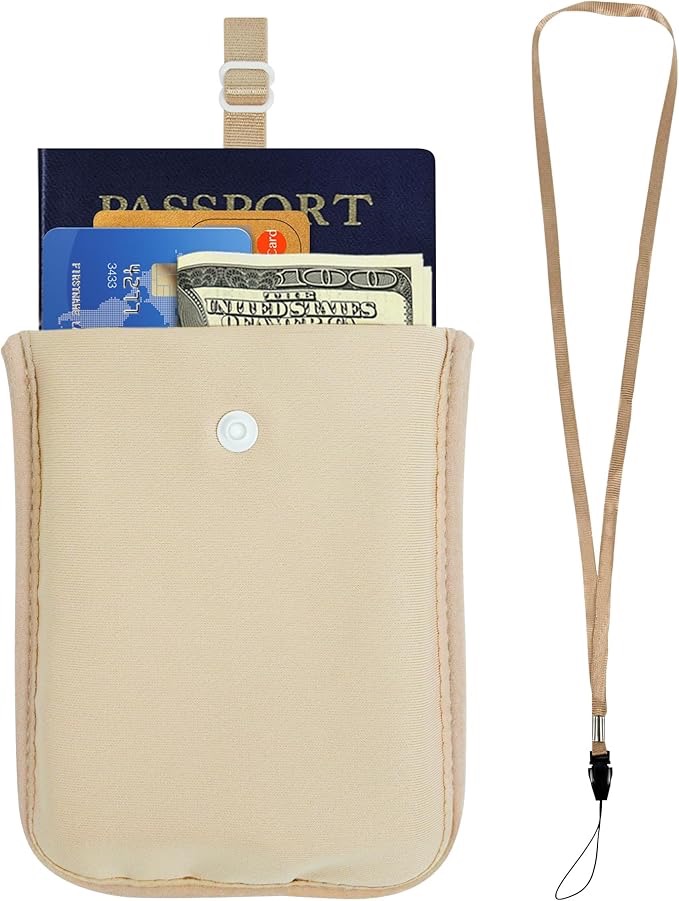
RFID Protection — Do You Actually Need It?
RFID (Radio Frequency Identification) is the technology in credit cards and passports that allows you to tap to pay or wave your passport at an electronic reader. It is wireless technology that uses electromagnetic radio waves to transmit data. It has a multitude of uses.
There are three components to an RFID system: 1) the RFID tag is the microchip that stores data; 2) the RFID reader is the device that reads the chip; and 3) the RFID antenna is built into the reader and emits the electromagnetic radio waves to read the chip. Keep in mind this is very simplified, and this nurse was blown away by all the information when I was researching this article. The concern is that a thief with a concealed RFID scanner could “skim” your card data wirelessly while standing near you.
Here’s what the research says: documented, real-world cases of RFID theft from credit cards are extremely rare. Security researchers have shown it’s theoretically possible, but in practice, thieves have far easier, lower-tech methods available to them (like just grabbing your wallet). Most modern chip-and-tap cards also have additional encryption layers that make a stolen RFID “ping” nearly useless for completing an actual transaction.
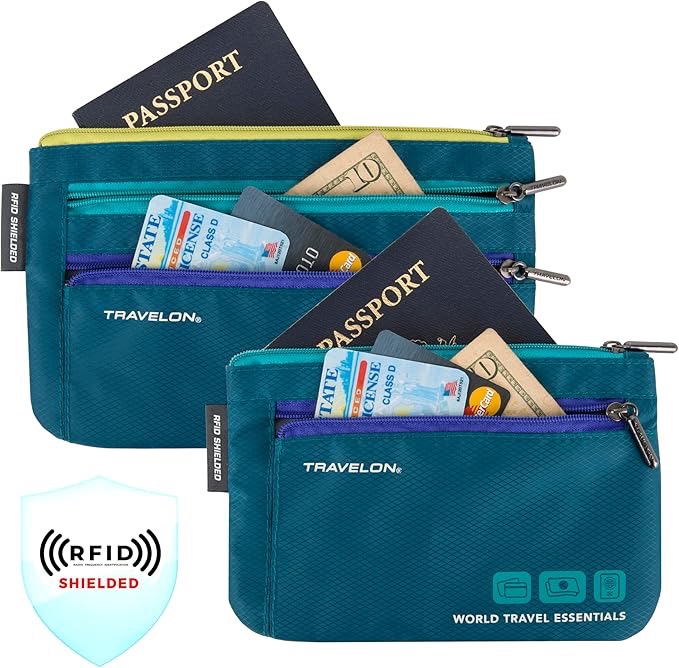
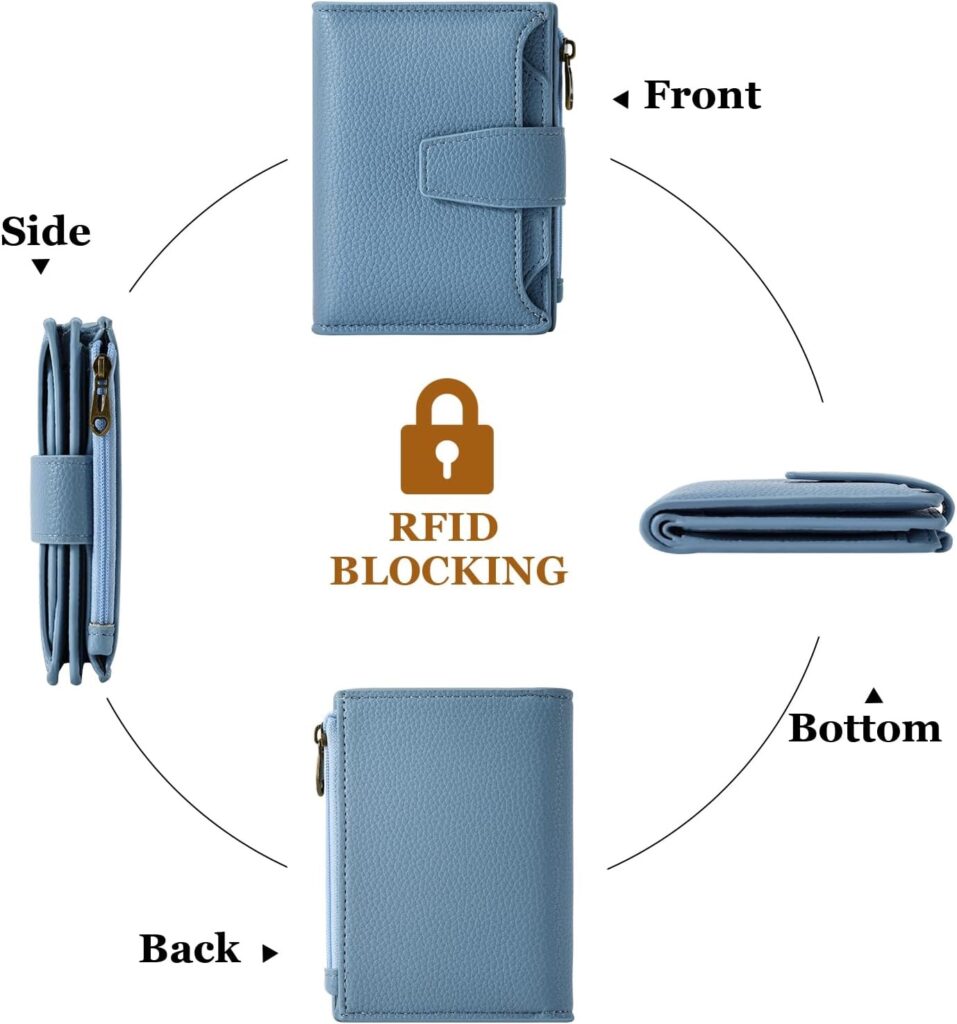
Your passport is a more of a concern than your credit cards, however, modern passports contain material in the cover that prevents them from being read when the passport is closed. The data contained in passports is also encrypted, making it nearly impossible to use by a thief. If you are so inclined, RFID-blocking wallets and passport holders are inexpensive and widely available. Given how little they cost and how easy they are to use, there’s no harm in using one, and it’s a low-effort precaution.
Don’t let RFID anxiety distract you from the real threats. No one is likely to wirelessly skim your Visa at a Paris cafe. They are going to try to lift your wallet out of your pocket on the metro. Focus on what is more likely, and again, use common sense and stay aware.
Our take on RFID: I normally carry my Travelon cross body bag and it does contain RFID protection. But, I have also carried a leather crossbody bag that does not contain RFID protection, and Steve does not carry an RFID wallet, so we are not overly concerned about it. In fact, he does not carry a wallet at all when we are sightseeing. I carry the credit card and debit card in my cross body bag, and we both carry and use our phones for Apple Pay. If you’re buying a new travel wallet anyway, consider choosing one with RFID protection. If you have a perfectly good wallet or bag already, don’t lose sleep over it.
Scammers: A Different Kind of Threat
Pickpockets want to steal from you without your knowledge. Scammers want to trick you into giving them your money. Here are the most common ones:
The “Special Deal” Tour Operator. Anyone who approaches you on the street offering discounted tours, tickets, or transport is likely not doing you a favor. Book tours through your hotel, a reputable booking platform, the cruise ship, or official vendor booths. We often book private tours, but we do so after a lot of research. That said, we have booked from vendors on the pier while on a cruise, and have had no problems. Most of them are legit. One of them even stopped once to get me some alka seltzer after I vomited in a restroom in Cozumel. He was a kind human and received a very nice tip. Book with local vendors at your own risk.
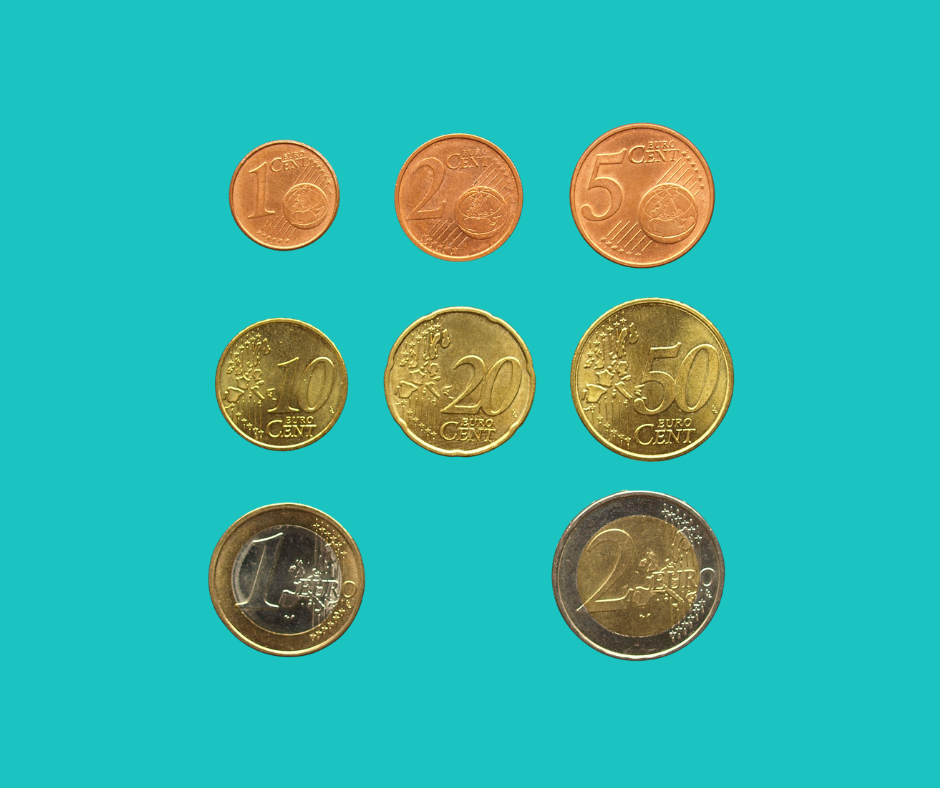
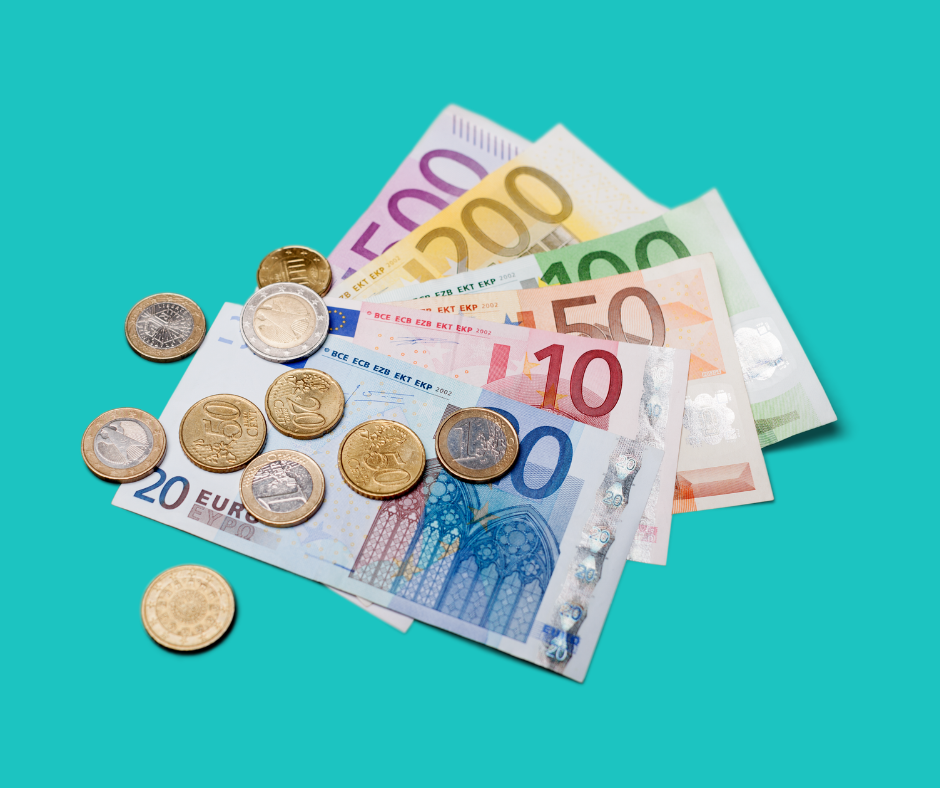
The Short-Change Hustle. When paying cash, some merchants will count back incorrect change quickly and confidently, expecting you to accept it without checking. Know the price you are paying, and count your change every time, politely but deliberately. In addition, familiarize yourself with the local currency. For example, €1 and €2 denominations are coins and not bills. Euro 1, 2, and 5 cent coins are copper colored, 10, 20, and 50 cent coins are gold colored, and 1 and 2 Euro coins are a silver and gold combination. Euro paper bills are actually easier to distinguish because each denomination is a different color, unlike American money bills which are all green.
The Taxi Scam. Unofficial taxis near airports and tourist areas charge wildly inflated rates. Always use the official taxi stand, a reputable app like Uber or Bolt, and confirm the meter will be running, or confirm the actual price before you get in. Some trips are a flat fee. Argentina is well known for taxi scams, sadly. When we were there, we used the official taxi stand, where they confirmed the payment before we got in for our ride from the airport in Ushuaia to our hotel. Our driver was very professional and showed us around the downtown area before dropping us off at our hotel. The price was a $10 flat fee, and we tipped him $2.
The “Closed for Renovation” Misdirection. A friendly local approaches you near a famous landmark and tells you it’s closed or they are renovating today, but they know a “better” or “less crowded” place nearby. This leads to a shop or restaurant where you’re overcharged, or worse.
The “Skip the Line” Scam. Another friendly local offers to take you to a special entrance to purchase tickets and avoid the long line. We were actually approached by a scammer using this tactic at the old Egyptian Museum in Cairo. We were still in the security line, which you had to enter through and have your bags X-rayed before buying entrance tickets inside, so we know immediately that it was a scam.


What to Do if Your Phone is Stolen
Even the most prepared travelers can be targeted by a skilled team. If it happens to you, here’s how to respond. (Be sure you have your phone’s Find My feature turned on.)
- Stay calm and assess the situation. Don’t panic. Take a breath, step aside, and take stock of what is missing.
- Find access to the internet. This is the most important first step. Use your laptop or tablet, borrow a phone from a travel companion, head to your hotel lobby, or find a café with Wi-Fi. Every minute matters, so don’t waste time here.
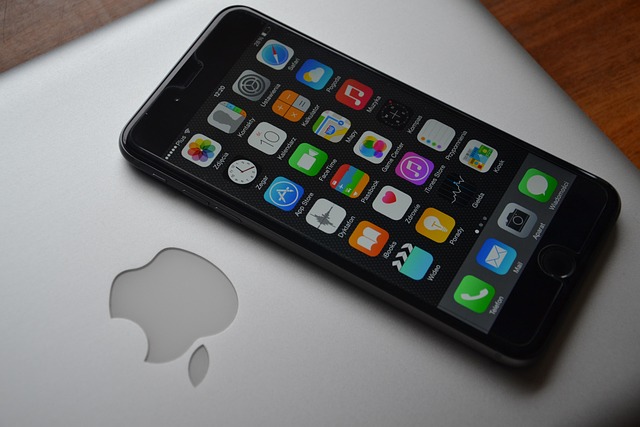
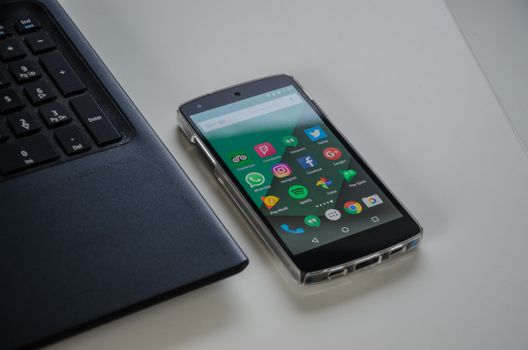
- Lock your phone. Sign in to your iCloud account (for Apple phones) or Google Find Hub account (for Android phones) and immediately mark your phone as “lost” (for Apple) or “secure device” (for Android). This locks and disables your phone, and suspends all cards in Apple Pay or Google Pay. You will need to have your username and password committed to memory to log into these accounts without using your phone. Detailed information for Apple can be found here, and detailed information for Android phones can be found here.
- Consider calling your bank to cancel credit cards stored in your digital wallet as an extra security step.
- Change your Apple ID or Google password. This prevents the thief from accessing your other Apple or Google related accounts.
- Contact your carrier. Report the device as stolen and ask them suspend your service temporarily.
- File a police report. This is essential, not because the police will recover your items or even care (they rarely do), but because you will need the report for your travel insurance claim. Most cities have tourist police offices near major attractions. Note the case number.
What to Do If Your Wallet, Credit Cards, or Passport are Stolen
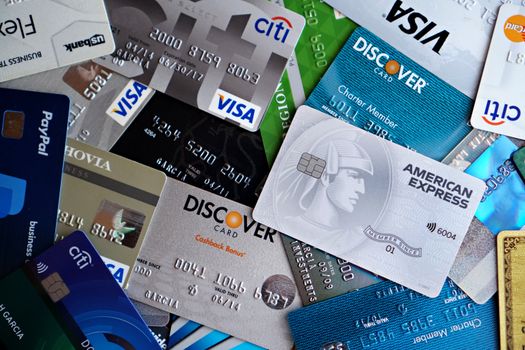
Cancel your cards immediately, if they get your wallet or physical credit or debit card. This is exactly why we recommend keeping the phone numbers on the back of your cards stored separately from the cards themselves. Call your bank the moment you realize your card is gone. The faster you call, the less damage is done. Most banks also allow you to freeze your card instantly through their app or website. In addition, if you have a card stored in Apple Pay or Google Pay, your bank can immediately issue you a new card number and automatically update that number in those payment apps, so you can continue using them.
File a police report. Again, this is essential, as you will need the report for your travel insurance claim and for any replacement documents.
Contact your country’s embassy or consulate if your passport is stolen. They can issue an emergency travel document to get you home. Do not wait, this process takes time.
Contact your travel insurance provider. A good travel insurance policy covers theft of valuables, emergency document replacement, and related expenses. Document everything, keep all receipts, and save your police report number.
Don’t let it ruin your trip. This is easier said than done, we know. We have friends who were pickpocketed in Barcelona and spent two days miserable about it, when the actual financial damage was a small amount of cash and a canceled card that was immediately replaced in Apple Pay. The inconvenience is real, but it is manageable. Take the steps above, give yourself an hour to be annoyed, then go have a glass of wine and get back to enjoying your trip. The wine is a firm recommendation. Have I mentioned the Côtes de Provence Rosé we had on our Viking Med cruise??? Once you’re over it, you will have a good story to tell.

Should You Carry Your Passport?
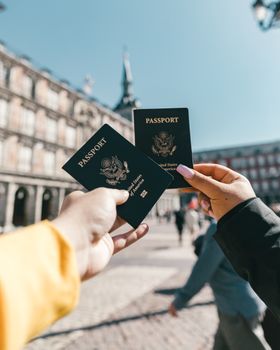
Generally, it is a safer option to leave your passport in a hotel or cruise cabin safe, or locked in your luggage at your accommodations. Hotels can open safes, so this can be controversial. Whether you choose to carry it or not, there are situations where you will need your passport when you are traveling abroad:
- Boarding an airplane for international travel: Of course, this is non-negotiable.
- Crossing borders: If you plan to travel between countries, you will need it. You may not need to show it when traveling between Schengen area countries, but you could still be asked for it.
- By local law: Many countries legally require foreign visitors to carry government-issued identification at all times. While this does not necessarily mean a passport, check the laws for your destinations.
- Tax-Free Shopping: If you are claiming a Value Added Tax (VAT) refund on high-end purchases, retailers often need the physical document.
- Exchanging money: Banks and currency exchange bureaus frequently, but not always, ask for it.
- Certain attractions: Some high-security historic sites strictly require it for entry. Know before you go.
A Quick Pre-Trip Checklist
Before you leave home, run through this list:
- Turn on the Find My feature in your phone.
- Know your Apple or Google passwords to access your phone remotely if needed.
- Set up your digital wallet with Apple Pay or Google Pay and know how to use it.
- Notify your bank of travel dates and destinations if needed.
- Carry separate credit cards and debit cards if you are traveling with a partner.
- Store a paper copy of phone numbers from the back of your cards separately from your cards. This will be especially important if your phone is stolen and you don’t have immediate access to your banking app. Also, know your bank account’s log in and password, to log in without using your phone’s app.
- Carry a paper copy of your travel insurance documents, airline itinerary, lodging, and any other important information. Again, if your phone is stolen, you will need these documents.
- Carry a paper copy of your passport in a secure location.
- Place a copy of your passport and important travel documents in digital storage, such as in email or cloud storage, and know how to access it without your phone (i.e. log into the account using a computer at your destination).
- Be prepared to place your passport, cards, and cash in an anti-theft bag or money belt once at your destination.
Summary
The vast majority of international travel goes off without a hitch, and we don’t want this article to scare you, quite the opposite. The goal is for you to be informed and prepared so you can wander through a Paris market or a Barcelona metro with confidence instead of anxiety. Awareness, the right bag, and a few smart habits make you a genuinely difficult target. If something does go wrong, you’ll know exactly what to do. The world is a wonderful place, and it is very much worth seeing. Just keep your bag in front of you while you’re doing it.
Like what you read? Hate it? Please leave us a comment below, but don’t be bitchy. Happy Travels! (Your email address will not be shared.)