
Straight to the Point…
Traveling abroad can be exciting, but managing money in a foreign country can feel intimidating. ATMs are widely available and can provide convenient access to local currency at competitive exchange rates. Credit cards are widely accepted and are a convenient way to make purchases without carrying extra cash. Cashless payment systems are safe and secure. Currency exchange services are also an option. Here’s what you need to know to use all of these options safely and effectively while traveling.
Now, on to the information you need…
Check Your Bank and Card Before You Go
- Notify your bank. Let your bank or credit card company know your travel dates and destinations. Banks and credit card companies have sophisticated fraud detection systems in place to keep you safe. Notifying them in advance helps prevent your credit card from being flagged for suspicious activity.
- Verify international access. Ensure your debit or credit card works overseas. Look for network logos like Visa, Mastercard, Plus, or Cirrus on the back of your card and confirm they’re supported in your destination.
- Ask your bank about fees. Many banks and specific cards charge foreign transaction fees in addition to ATM withdrawal fees. Knowing the costs ahead of time can help you plan, budget, and choose the right card to use.
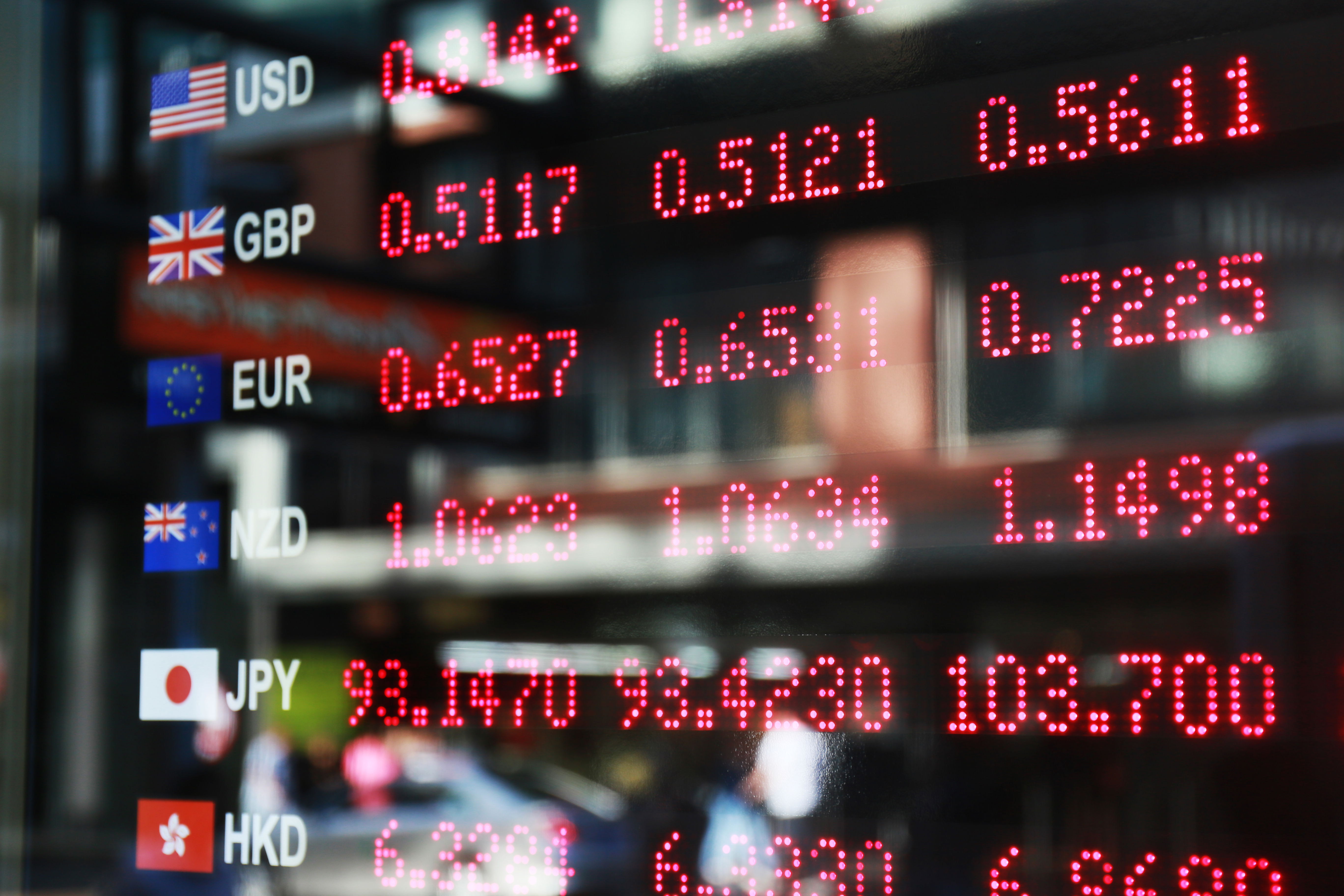
- Know your daily withdrawal limits. Remember, you will be using your debit card to withdraw cash from ATM’s in the local currency (more on that below), so the conversion from USD to local currency may put you over your daily limit. For example, let’s say you have a $500 daily withdrawal limit on your debit card, and you are in Rome. If you input €500 for the withdrawal amount into the machine, you will get an over the limit warning, as €500 is equal to roughly $586 (at the time of this writing), which is over your limit. Be prepared to input a smaller request by knowing the conversion for that day. Use the currency converter on your phone to know how much to request.
- Increase your daily withdrawal limit before you travel if necessary. Be aware your daily withdrawal limit may be different from others who share your account. For example, when we went to Italy last year, I called the bank to increase my daily withdrawal limit for my debit card as we needed to pay some tour operators in cash. Our bank did not automatically increase my husband’s daily limit, and we didn’t know that until we got to Italy and went to the ATM.
- Know your debit card PIN and be aware that some ATM’s only allow a 4 digit PIN.
- Understand that the individual ATM may also have its own withdrawal limit. This limit may be lower than your bank’s limit, so don’t be surprised if the machine shows a message that says “the amount you are trying to withdraw is over the limit.” You may need to choose a different ATM if this is the case.
Understand Foreign Transaction Fees
- A foreign transaction fee is a surcharge from your bank for certain international transactions. These fees are usually 1-3% of the total amount of the transaction, but can be 5% or more.
- These fees can be levied when you make a purchase in a foreign currency or when the transaction passes through a foreign bank.
- Avoid these fees by using a credit card that doesn’t carry foreign transaction fees. There are many credit cards available that do not charge foreign transaction fees. Check with your bank to see if your card has them. We only use cards that don’t carry foreign transaction fees.
- If you use a card that does charge foreign transaction fees, know what those fees are in advance so you won’t be surprised when you see your statement.
- Be aware that your bank, and the ATM owner’s bank, may both charge you a fee to use the ATM. ATM fees are separate from foreign transaction fees. You can check with your bank to see what the fees are for out of network withdrawals. When you are withdrawing money from a foreign ATM, the machine will tell you the fees it charges. There is not a way to avoid the fee the ATM charges, you either accept it, or don’t withdraw the money.
Understand Home Currency vs Local Currency
- When withdrawing cash, you will be presented with two options on the screen: 1) be charged in your home currency (this may be worded as “conversion” or “USD withdrawal”) or 2) be charged in the country’s local currency. Read the prompts carefully as they may seem backward until you understand them. While choosing your home currency sounds like the more comfortable and familiar option, and it will actually show you all the fees on the screen, it is actually not the choice you want to make.
- If you choose your home currency, you are agreeing to allow the ATM owner to choose their own exchange rate at the time of the withdrawal. This is a process known as Dynamic Currency Conversion, and it will cost you more money, often 4-8% more.
- Always choose to be charged in the local currency. This way, your own bank or card issuer does the conversion, and it is always a more favorable rate.
4. Choosing to use the local currency will not show you all the fees on the screen. This is because the conversion will be done by your bank at current exchange rates.
5. Choosing the local currency option on the screen will not cancel your transaction, although it may seem like it, based on the wording on the screen. Again, read carefully. It may say something like “Do you wish to continue in your home currency?” Just decline this option, or choose the local option, and the transaction will process in the local currency.
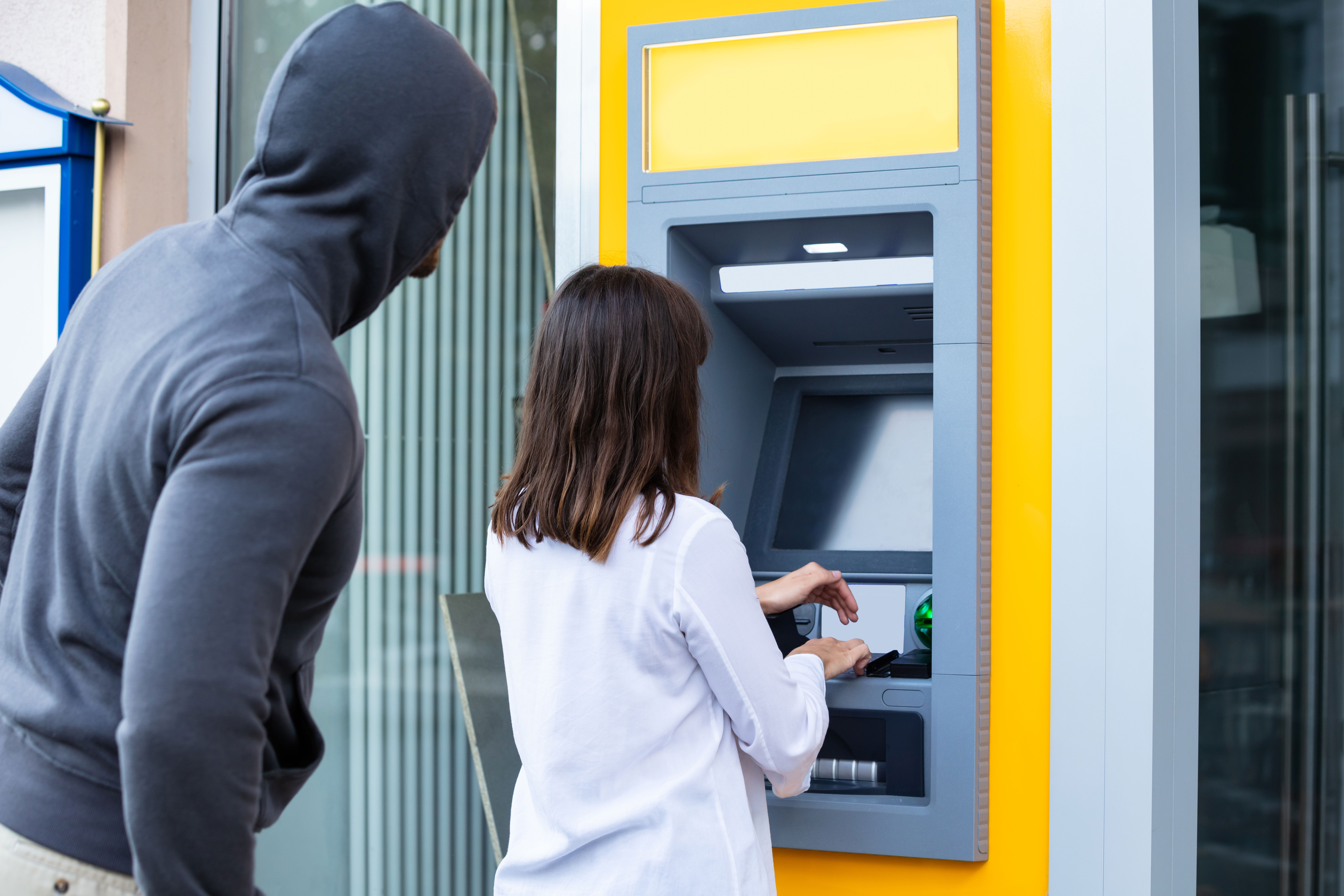
Safety Tips for ATM Use
- Use an ATM connected to a major bank. Avoid standalone machines in tourist areas or convenience stores. Bank ATMs are more secure and often have lower fees.
- Try to use the ATM during business hours, in case the machine eats your card or you need more help for some reason. If an ATM is available inside the bank, this is a safer choice.
- Check your surroundings, just like at home. Make sure the area is well-lit and free of suspicious activity. Cover the keypad while entering your PIN. Try to go with another person for safety if possible.
- Avoid skimmers. Check for loose card slots or unusual attachments that could indicate tampering.
- Keep receipts and monitor your account to catch any unauthorized transactions.
Using Your Credit Cards
- The principles regarding home currency and local currency also apply when using a credit card at the point of sale. When given the option, always choose local currency.
- If you are not offered an option, feel free to ask the merchant if you can choose local currency. They may not know you are not local, or not think to offer you the choice.
- Cash advances on credit cards are a costly way to access money and this should always be avoided.
Using Mobile Payment Apps…Our Favorite Way to Pay
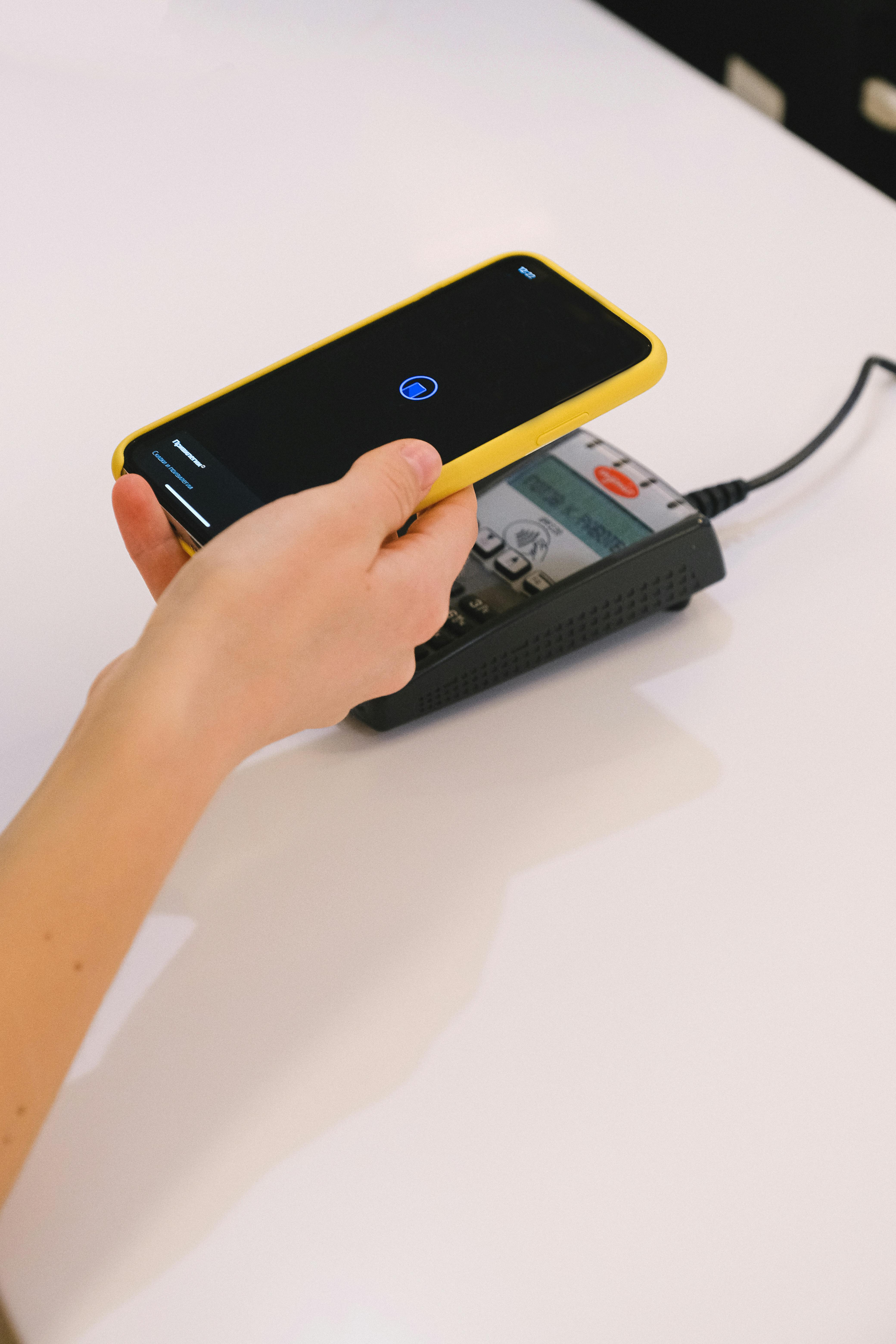
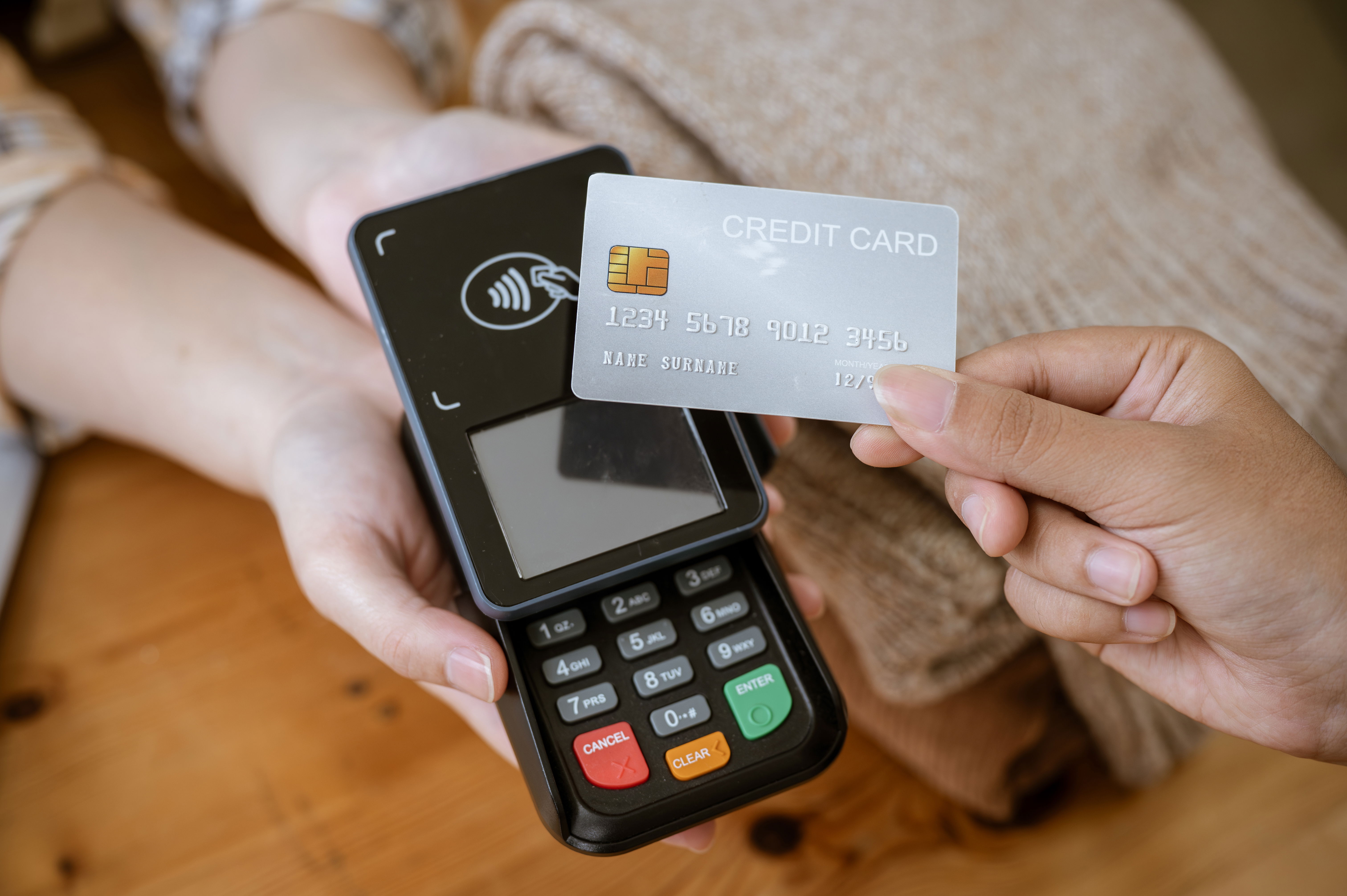
- Mobile payment apps are simply a secure way to transmit your card information to the merchant. The transaction runs on your linked debit or credit card network (Visa, Mastercard, etc.)
- Mobile payment apps like Apple Pay and Google Pay are secure and safer than using a physical credit card. These apps use an encrypted number that changes each time you make a transaction, so the merchant never knows or has access to your credit card account number.
- Set up your mobile payment app on your phone or watch before you leave home. There are simple instructions to follow on your device to set these up and link your credit card(s). Be sure to practice using your payment app at the grocery or gas station at home so you are familiar with it. Nowadays, Apple Pay is all I use at home and abroad, unless the merchant doesn’t support it, which is rare.
- Mobile payment apps are widely accepted. Look for the cashless payment logo at the point of sale. If you don’t see it, ask the merchant if you can tap to pay.
- Be aware that you still may need to ask to pay in the local currency when using a mobile payment app. The app itself does not do any currency converting, so you still need to make sure you are choosing local currency before you tap to pay.
Using a Currency Exchange Service
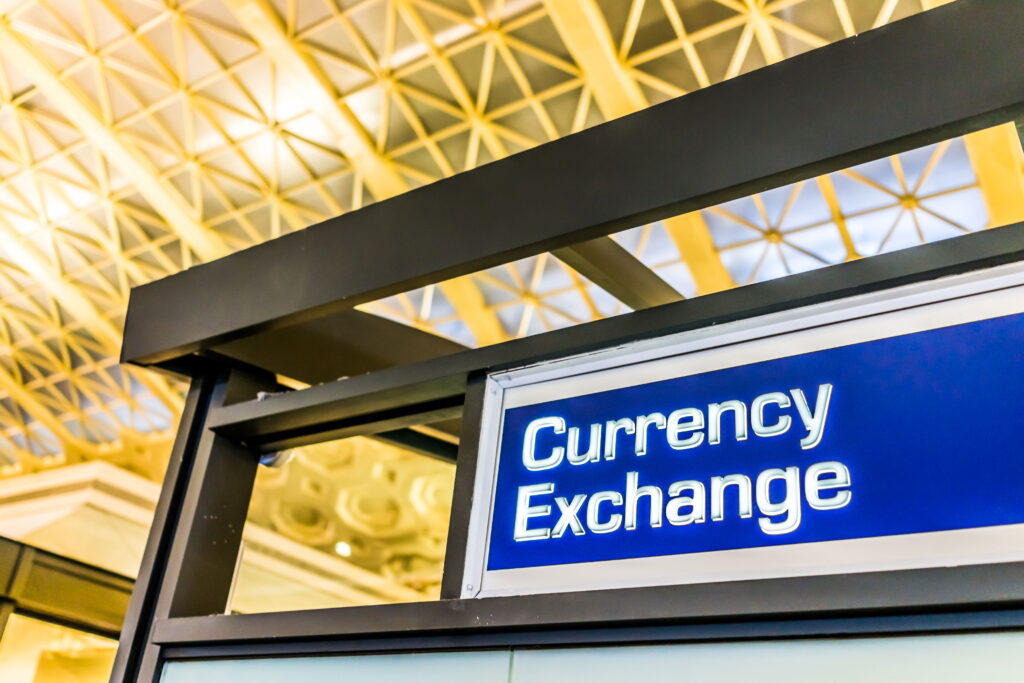
- A currency exchange service converts your home currency into another country’s currency. You’ll find them at airports, banks, hotels, tourist areas, and sometimes online. You can exchange your cash or use a debit card or credit card at a currency exchange service.
- They can be convenient for getting cash before or during your trip, especially when you first arrive at the airport, and useful if ATMs or card payments aren’t widely available.
- They often come with higher fees and less favorable exchange rates compared to ATMs. Airport kiosks and tourist spots usually have the worst rates, and some add hidden charges or commission.
- Be aware of your options, and do your research on your own cards. We never use currency exchange services, we only use our debit cards at ATM machines for local cash.
Exchanging Money at Your Home Bank
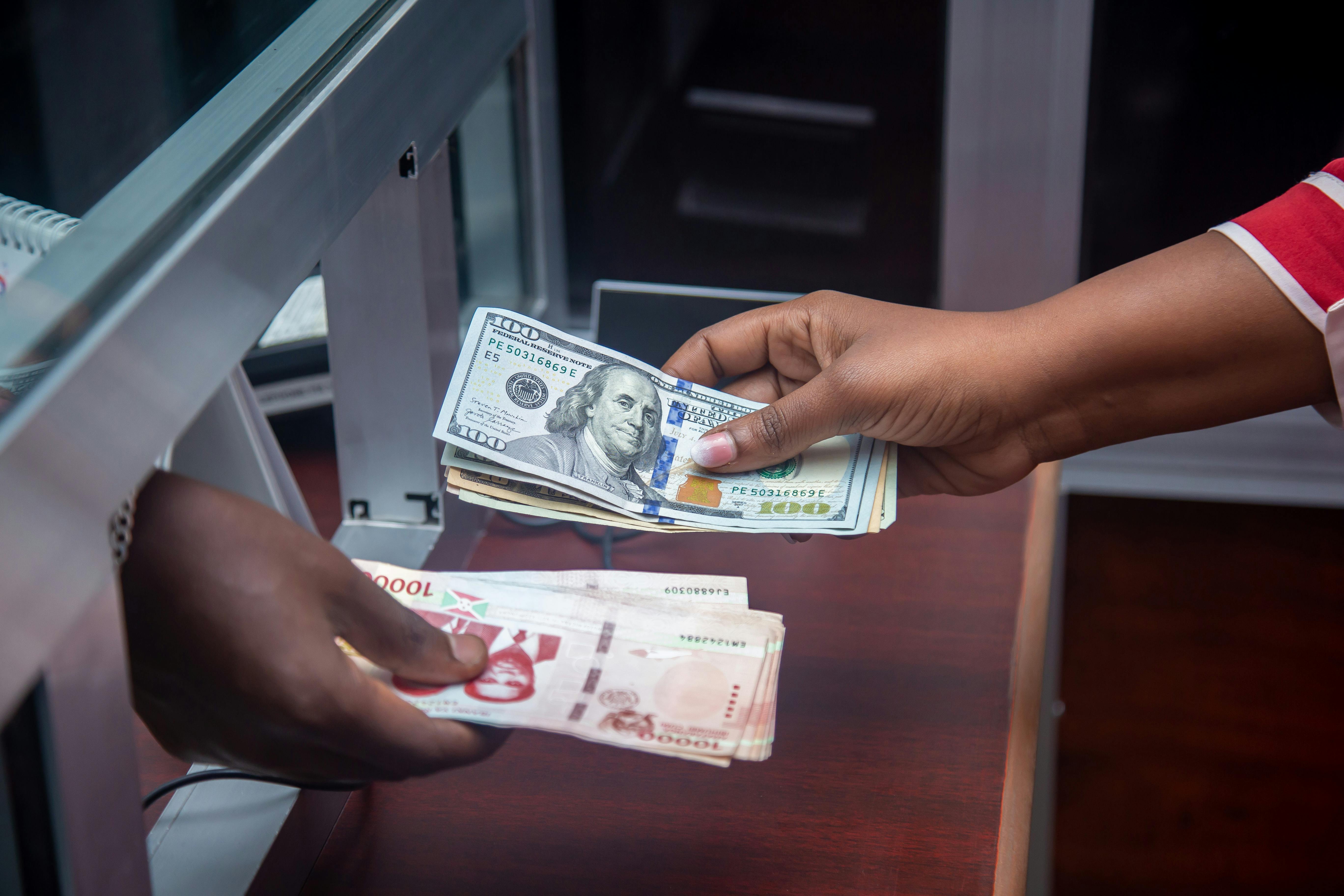
- Many people choose to exchange money at their local bank before they leave home. This can be a convenient option to have some local currency on you when you arrive. Tips for the Uber driver or taxi service are appreciated in local currency.
- Be aware of your bank’s terms and conversion rates. Your bank may also charge some hidden fees or a delivery fee.
- Call your local bank to enquire if they have the currency on hand. Many banks have to order the currency for you.
- The more money you convert, the higher the fees will be, as many of the fees are percentages of the amount you convert. If the bank fees are higher than an ATM in country will be, it is worth considering only converting a small amount to get you through your first day until you can find an ATM.
- Converting money at home means you have to carry that cash with you to your destination. If you lose it, it will be a costly mistake. We recommend just using an ATM when you get there, and only taking out the amount you need to cover your cash expenses.
Additional Notes and Tips
- Bring more than one credit card in case of loss or malfunction. We were on a cruise several years ago when we discovered one of our cards had been compromised at home, and the bank had deactivated our card. This was before Apple Pay, and we thankfully had another card with us.
- If you are traveling with a partner, carry distinct or separate cards. If one of you loses a card, you still have a functional card to use. We have three distinct credit cards, and while we both have a physical card for each account, we each carry just one card from one account, plus our distinct debit cards, while we are traveling.
- Jot down the phone numbers on the back of your cards and keep them in a secure location. Alternatively, snap a photo of the back of your cards. In case you lose a card, you will need these numbers to call your bank.
- While credit cards and mobile payment apps should be your main method of payment, carry some emergency cash in a secure location.
- Don’t pull out large amounts of cash to make a purchase. This could make you a target for theft.
Summary
Using ATMs, credit cards, and mobile payment apps abroad is safe, cost effective, and convenient if you plan ahead. Notify your bank, understand the fees and currency options, use secure machines, and stay aware of your surroundings, just like at home. Armed with this important information, you can access your money safely and confidently while traveling abroad. We hope this guide has been helpful. It is filled with lots of tips we learned along the way…(withdraw in your home currency? Sure, that sounds great, she said on her first trip abroad…). We have come a very long way, and soon you will be an expert at accessing your money when traveling overseas.
Fantastic information! Thank you! Diane
Thank you so much, Diane, glad it was helpful. I’ve learned everything the hard way!