Straight to the Point…
The US Department of Homeland Security’s (DHS) Trusted Traveler Program (TTP), is a government program that allow travelers more freedom during the security screening process at US airports and land borders with Canada and Mexico. This program includes TSA Pre-Check and Global Entry. Global Entry participants enjoy the benefits of TSA Pre-Check, plus an expedited entrance process into the US when traveling home from another country.
Now, on the information you need…
Why do these programs exist?
After 9/11, the US government, as well as many governments around the world, implemented new restrictions and screening processes for air travel in an attempt to prevent another catastrophic event. These screening processes often led to longer lines and delays getting through security screening checkpoints as travelers were required to remove shoes and jackets, empty their pockets, and follow the 3-1-1 rule for liquids. TSA Pre-Check and Global Entry came about as the government sought to clear US citizens ahead of time, by running background checks and loading fingerprints into a data base, in order to reduce these waits and streamline the security screening process.
First, some background. What is the 3-1-1 rule for liquids when flying?
The TSA, as well as almost all other countries’ sister agencies, follow the 3-1-1 rule for carrying liquids through security in a carry-on bag or personal item when traveling by air. (Note these rules do not apply for checked bags. Pack full size bottles of shampoo in your checked bag if you so desire.) These rules are in place to prevent passengers from taking larger amounts of liquids on board the aircraft that could potentially be used in bomb making or any other hijacking scenario.
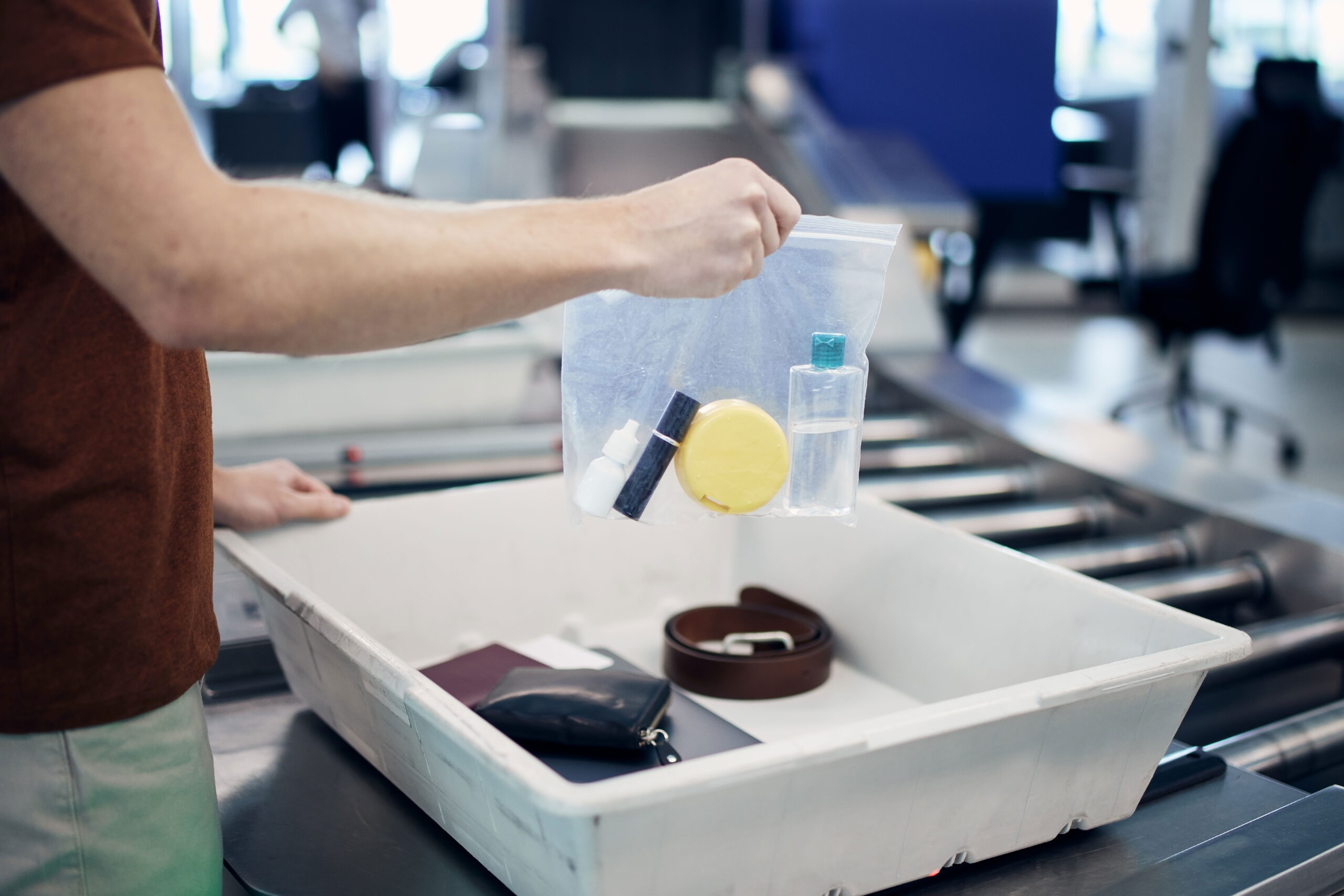
These agencies dictate that all individual liquids, aerosols, creams, gels, and pastes must be in a container no larger than 100 ml or 3.4 ounces. The total of all these 100 ml containers must fit inside a one quart (or one liter in the rest of the world) zip top bag that must zip completely closed. Only one zip top bag is allowed per passenger. Hence, 3 oz, in a 1 quart bag, and 1 bag per person, is the 3-1-1 rule.
When asked to do so, this 3-1-1 bag must be removed from your carry-on or personal item and placed in the bin for the security screening process. Now, please do not listen to your cousin’s best friend’s niece who got through security in Des Moines without having all her liquids pared down and in the appropriate bag. She was breaking the rules. The rules have not changed and are still in effect at the time of this writing and updating in May 2026. However, individual airports and TSA agents have created their own confusion by not consistently enforcing these rules, giving people the false sense that the rules no longer exist. This is simply not the case.
These liquid rules are in the process of slowly changing as new 3D CT scanning technology is being installed at airports around the world, but for now, they are standard rules across all airports. Some of the larger US airports that have begun implementing the new technology include ATL, LAX, SFO, ORD, JKF, and SEA, among a few others. These scanners allow passengers to leave their 3-1-1 bag and laptops inside their carry-ons for screening, but the 3-1-1 bag rule still applies. Additionally, the scanners may not be available at all checkpoints and in all screening lanes, so you still need to follow the rules and always follow the instructions of the TSA agents. Many people like to argue these points based on their own personal experiences, so here is a link to the TSA website to prove that I’m right, because well, I am. Click here for the TSA website’s page on liquids.
What are the benefits of TSA Pre-Check?
The main benefit of having TSA Pre-Check is that you generally do not need to remove your jackets, belts, and shoes when going through security check points, saving you hassle and valuable time. In addition, you generally do not need to remove your 3-1-1 bag from your carry-on and put it in the bin when going through security. You can leave your liquids bag in your backpack, personal item, or carry on bag for screening. This does not mean that you do not have to follow the 3-1-1 rules for liquids. On the contrary, you have been vetted to be a rule follower and an upstanding member of society, that’s how you got approved in the first place. They are trusting you to have followed the rules and packed accordingly. They are, of course, still screening the contents of all your bags in the X ray machines, and still screening you in either a separate scanner or a metal detector.
TSA Pre-Check can greatly reduce the wait time spent at the security screening checkpoint. There are usually separate lines for TSA Pre-Check and standard screening, and the Pre-Check line in general is much shorter and quicker than the standard screening line.
Keep in mind, according the TSA website, https://www.tsa.gov/precheck/faq: “TSA uses unpredictable security measures, both seen and unseen, throughout the airport. All travelers will be screened, and no individual is guaranteed expedited screening.” This means the TSA agent can and may still require you to remove your jackets and shoes, and your 3-1-1 bag from your personal item for individual screening, even with the Pre-Check designation. Always listen to and follow the instructions the agent is giving you. The TSA agent always has the last say, so there is really no need to argue with them or attempt to skirt the process. So just follow the rules, OK?
What are the benefits of Global Entry for airline passengers?
Global entry participants enjoy all the benefits of TSA Pre-Check at US airports, as well as expedited re-entry when flying into the US from most foreign countries. If you are Global Entry approved, you are also TSA Pre-Check approved. Global Entry will not give you any advantages when traveling to a foreign country by air. It offers expedited screening when returning by air, and is also beneficial at land borders and sea ports in Canada and Mexico (see limited info below).
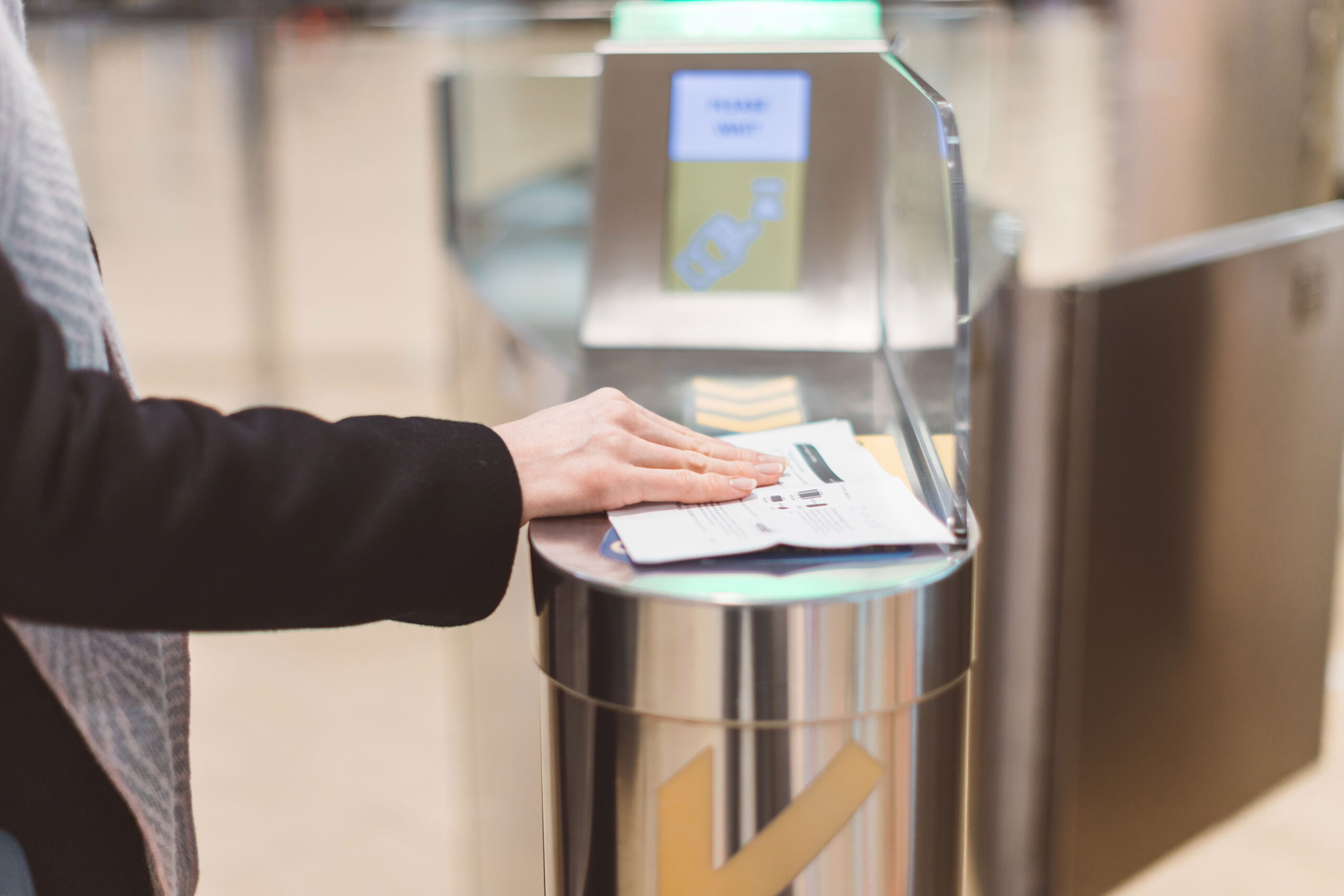
Many US airports have special passport control lines for US passengers with Global Entry flying into the country. The expedited entry may include a facial recognition scanner along with a digital passport scanning machine in the passport control area. Your Global Entry designation is tied to your passport automatically, so when you scan your passport and use facial recognition, they know you are Global Entry approved. No need to carry your Global Entry Card, that is only for land border crossings and arrival via sea ports, and that will not be discussed in this article. Please see the website https://ttp.dhs.gov for more information on land border crossings and sea port entry.
Without Global Entry, you are required to stand in a sometimes very long line and show the border control agent your passport in person at a booth when you are returning to the US via air. They may ask you a couple questions, such as where have you been, how long were you there, and what is your final destination. This can be much more time consuming, when you could be on your way to your next airport cocktail while waiting on your connection to get home! If you want a return stamp in your passport, you will need to go through the line and see the agent.
How do I apply for TSA Pre-Check and/or Global Entry?
Apply at the CBP website here: https://www.cbp.gov/travel/trusted-traveler-programs/global-entry
The application process involves creating a Trusted Traveler Program (TTP) account, filling out the required information, and paying a fee. CBP will run a background check when you apply, and you will be conditionally approved and given a Known Traveler Number (KTN), also known as a Trusted Traveler number (TT).
The application process involves creating a Trusted Traveler Program (TTP) account, filling out the required information, and paying a fee. CBP will run a background check when you apply, and you will be conditionally approved and given a Known Traveler Number (KTN), also known as a Trusted Traveler number (TT).

You will then be required to conduct an in-person interview with fingerprinting at a local CBP office. The location of these offices vary, and you will choose a location and appointment time on line after you are conditionally approved. (I live near Louisville, KY and had to drive to Cincinnati for my interview at the time. The interview took about 5 minutes.)
Alternately, you may be able to conduct your interview (after you are conditionally approved) at a US airport upon arrival from a foreign country. Please read the information on the website and in the email you receive when you are conditionally approved. (My husband was able to conduct his interview in Atlanta when returning home.)
The fee for TSA Pre-Check is $77.95 and the fee for Global Entry is $120 at the time of this writing. Remember, Global Entry includes TSA Pre-Check, but Pre-Check does not include Global Entry. The TSA Pre-Check and Global Entry designations are good for 5 years. Many airline and bank credit cards will reimburse you for the expense of applying. If your passport requires renewal before your Global Entry expires, you will need to update your passport number on the CBP website by logging into your TTP account.
How do I use my TSA Pre-Check designation and my Known Traveler Number?
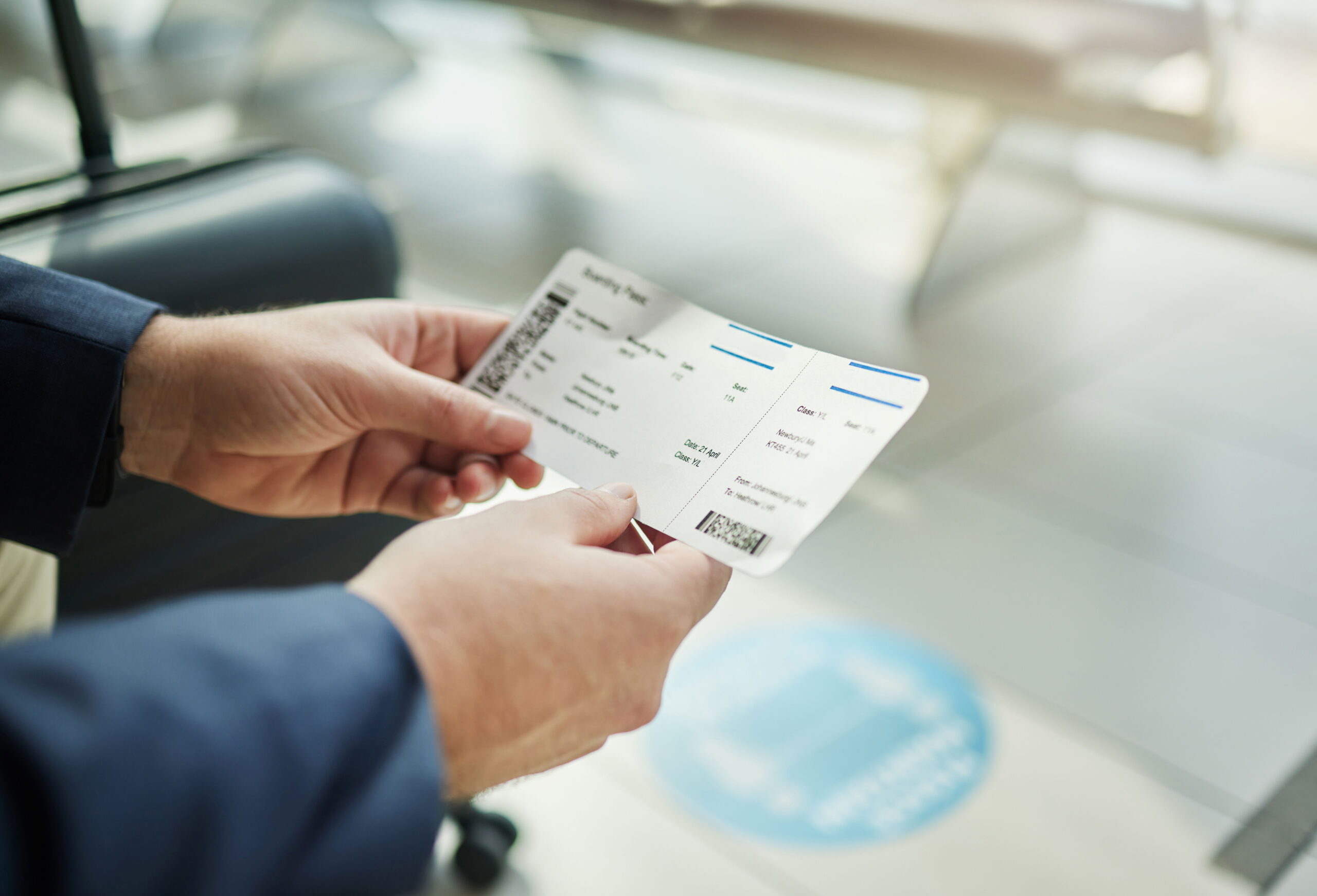
Once you are approved, you will need to enter your KTN/TT number on line when you purchase airline tickets. You can also enter the numbers later via the airlines’ website or app. Once you enter the numbers, they are saved on your account with that airline. The TSA Pre-Check authorization and logo will then automatically show on your boarding passes when boarding a flight in the US. If they don’t appear on your boarding pass after you have entered the information, there was likely an error with how you entered it, and you may need to re-enter the info. If the TSA Pre-Check designation does not appear on your boarding pass, you will not be allowed to go through the TSA Pre-Check line, so it’s important that you check to make sure it’s on there.
At US airports, choose the line that is labeled TSA Pre-Check, and follow the instructions from the TSA agents during the screening process. If, for some reason, your boarding pass does not say TSA Pre-Check, you will likely be instructed to go the back of the regular security line and wait again. It seems harsh, but I think they do this to discourage people who are trying to use the Pre-Check line when they are not authorized to do so. If you have a kind TSA agent, they will instruct you to just move over to the regular line and go on through. I have seen both happen.
How do I use my Global Entry designation at US airports?
Your Global Entry designation is tied to your passport, so again, no need to carry the card you received. When returning to the US via air, simply follow the signs to the appropriate Global Entry line when navigating the passport control area, then follow the instructions during the screening process. It is easy to do and can save you quite a bit of time at the airport.
Summary
TSA Pre-Check and Global Entry designations are easy apply for, simple to use, and will save you some time and hassle during air travel. We have had Global Entry for a few years, and it truly is a game changer at the airport. We highly recommend utilizing these programs. We hope this article has been helpful. Please let us know if you find any of this information is not accurate.